
Google’s Strategic Pivot to Hyper-Local Commerce
The latest update to Google’s Search Generative Experience (SGE) introduces a formidable capability in AI-powered inventory search, fundamentally altering the connection between online queries and offline purchasing. This new function allows users to ask Google’s conversational AI directly if a specific product is in stock at nearby physical stores. By integrating real-time availability data, Google is transforming its search engine from a directory of information into an actionable, on-demand logistics tool for consumers, presenting a significant challenge to existing local commerce platforms and e-commerce giants.
The Technical Architecture: Synthesizing the Shopping Graph and Business Profiles
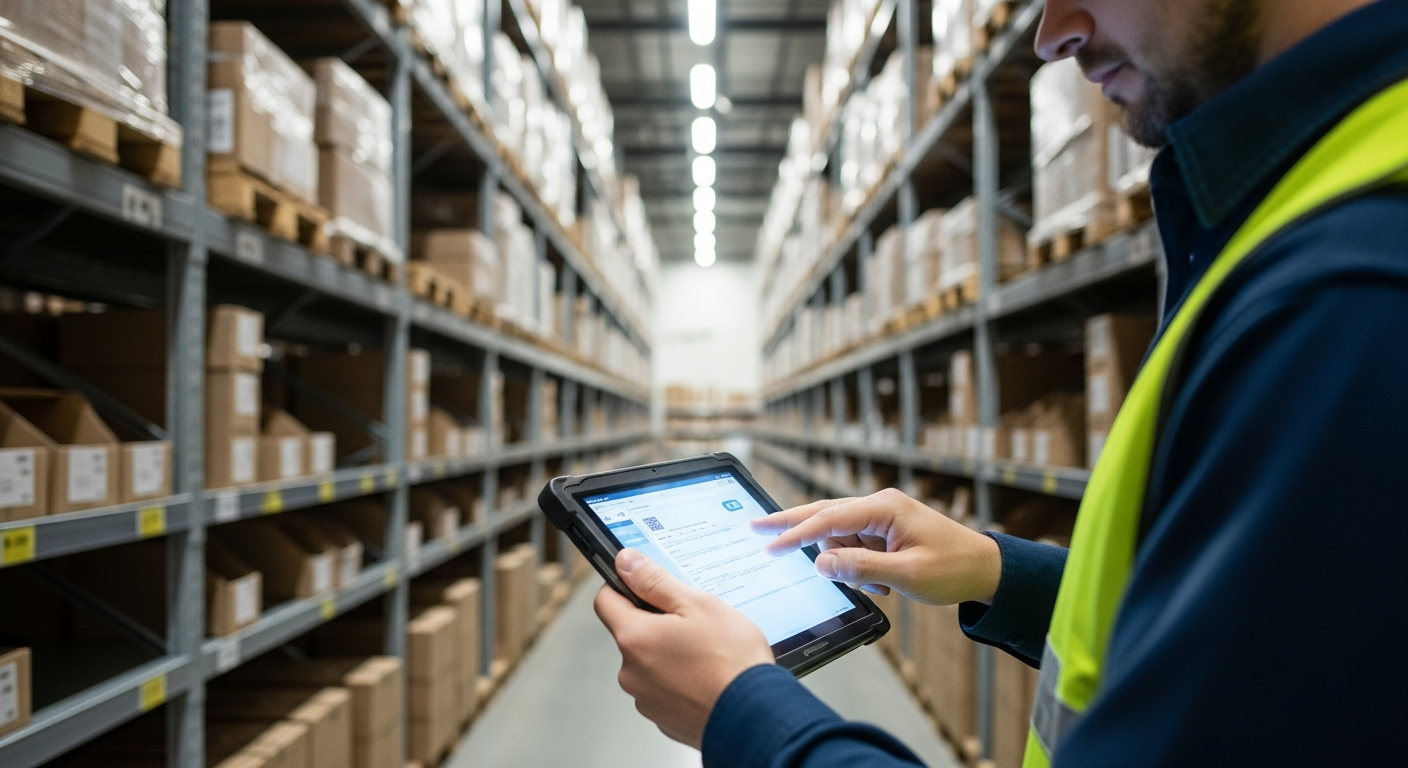
This intelligent stock query capability is not a minor feature addition; it represents the operational synthesis of two colossal Google data assets: the Google Shopping Graph and Google Business Profiles. The Shopping Graph, a repository containing over 35 billion product listings, provides the structured product data—model numbers, SKUs, and specifications. Concurrently, Google’s AI models are being deployed to parse and interpret the often unstructured, constantly changing data within millions of Google Business Profiles. The system cross-references a user’s natural language query against the structured Graph, then pings the relevant local business data to confirm immediate availability, effectively creating a live inventory layer over the physical retail world.
The Overlooked Data Point: Activating 35 Billion Passive Listings
Industry analysis often fixates on new AI features, but the most critical detail in this deployment is the strategic activation of the Shopping Graph’s 35 billion listings. For years, this dataset has been largely passive, powering product comparison ads and basic shopping results. By connecting it to real-time, local availability, Google converts this static library into a dynamic, high-value intelligence asset. The bottom-line implication is profound. It enables Google to capture user intent at its highest peak—the moment a consumer decides to buy—and immediately direct them to a point of sale. This preempts the user from navigating to Amazon, Instacart, or a specific retailer’s website, thereby capturing the transaction’s originating query and owning the start of the last-mile fulfillment journey.
Automate Your AI Operations
This entire newsroom is fully automated. Stop manually coding API connections and scale your enterprise AI deployments visually.
Start Building for Free →Engineering the Local Commerce Funnel with AI-Powered Inventory Search
For automation engineers and e-commerce strategists, this development signals a necessary re-evaluation of the customer acquisition funnel. The traditional journey of discovery, consideration, and purchase is being compressed into a single interaction. The value proposition is no longer just about having the best price or online presence, but about having accurate, machine-readable inventory data synced with a Google Business Profile. This elevates the technical task of inventory management to a primary marketing function. Businesses that fail to provide clean, real-time stock data to Google’s ecosystem risk becoming invisible to high-intent local buyers who are now being trained to expect immediate, AI-validated answers about product availability.
Primary Source Analysis: Bridging the Digital-Physical Gap
Insights from Google’s announcement suggest a deliberate strategy. In a recent post on its official AI blog, Hema Budaraju, Senior Director of Product for Google Search, framed the initiative around user utility. “Our goal is to bridge the gap between online research and the convenience of local shopping,” Budaraju wrote. “By understanding not just *what* a user wants, but *where* they can get it *right now*, we eliminate a significant point of friction in their day.” While the user-centric framing is accurate, the strategic subtext is clear: Google is building infrastructure to monetize hyper-local intent more effectively than ever before, positioning itself as the essential intermediary for brick-and-mortar retail in the digital age.
Everyday User Impact: The End of the Wasted Trip
For the average person, this technology translates to a simple, powerful promise: no more wasted trips to the store. Imagine needing a specific replacement light bulb, a particular brand of coffee for a recipe, or a last-minute birthday gift. The old process involved calling stores, navigating multiple clunky retail websites, or simply driving to a location and hoping for the best. The new workflow is seamless. A user can ask their phone, “Is the LEGO Starship set #75313 in stock near me?” The SGE-powered response won’t just be a list of stores that sell LEGOs; it will be a direct confirmation: “Yes, the Main Street Toy Store, 2 miles away, has it in stock right now.” This immediate, reliable confirmation removes uncertainty and saves valuable time, directly addressing a common consumer frustration.